Understanding the common dilemmas
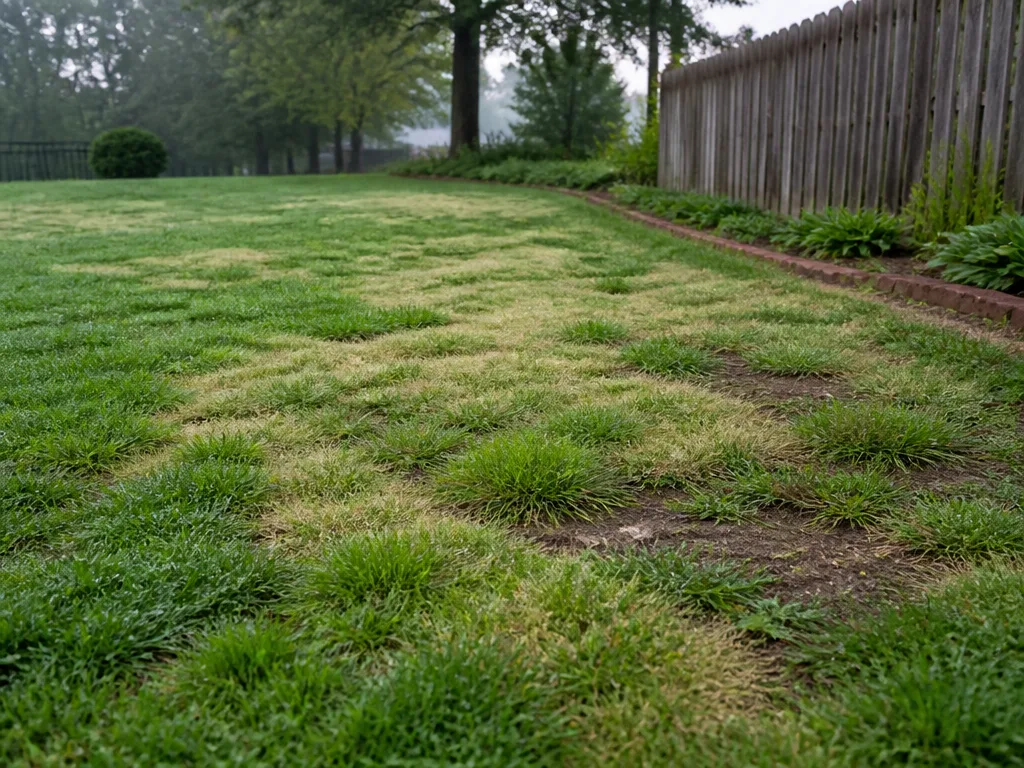
Across Pennsylvania, many lawn problems look the same at first glance. Could be dryness from late spring sun, compacted soil in high-traffic areas, or patchy growth after a wet spell. The key is recognizing when a DIY approach is enough and when you should call a pro.
Our team sees three scenarios where a professional touch makes sense: persistent thinning or color loss that lasts beyond a month, widespread brown patches that spread rather than stay contained, and areas where mowing height or soil moisture seems out of balance despite routine care.
DIY basics you can handle now
Start with a simple routine that fits Pennsylvania’s climate. Mow at the proper height for your grass type, leave clippings to return nutrients, and water deeply but infrequently to encourage deep roots. A light top-dress of compost in early spring can help feed the soil in many Pennsylvania soils, but don’t overdo it.
Track rainfall and irrigation. If you get a dry spell, water deeply once a week rather than frequent shallow watering. This helps build drought resilience for lawns across the state.
When to call a lawn care specialist
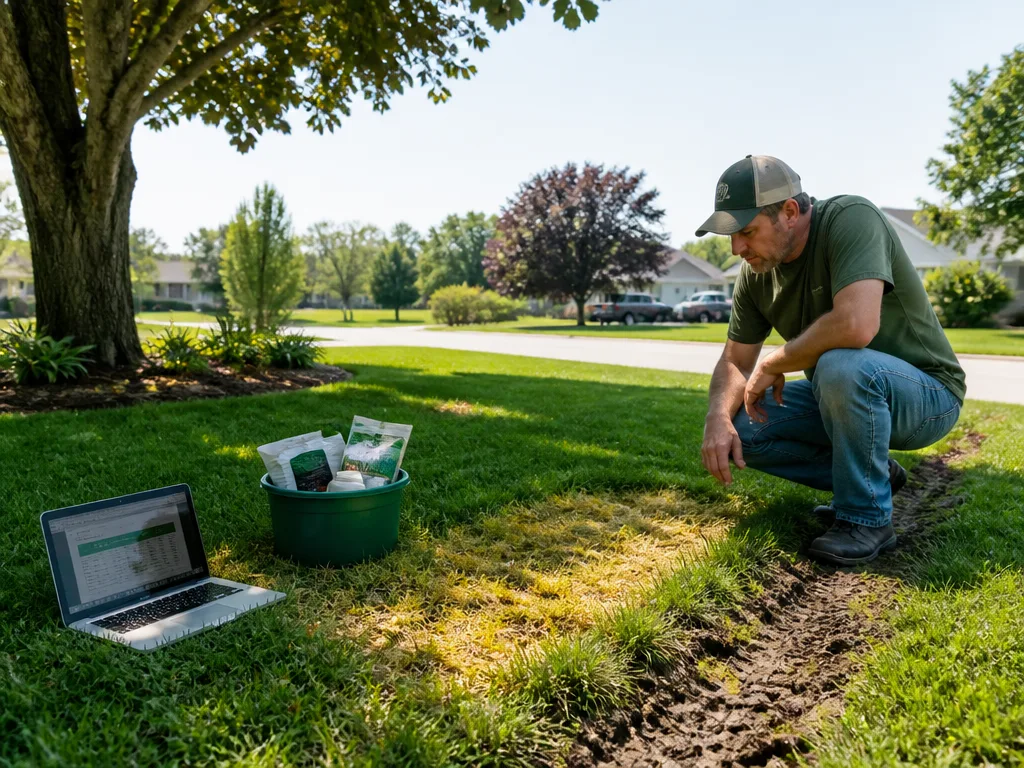
If you notice patchy areas that keep returning after repair, or if patches grow quickly despite consistent care, it’s time to get a professional evaluation. A lawn care specialist can test soil, check drainage, and tailor a plan to your property. In Pennsylvania, variations in weather and soil mean a locally familiar approach makes a big difference.
What to expect from a professional visit
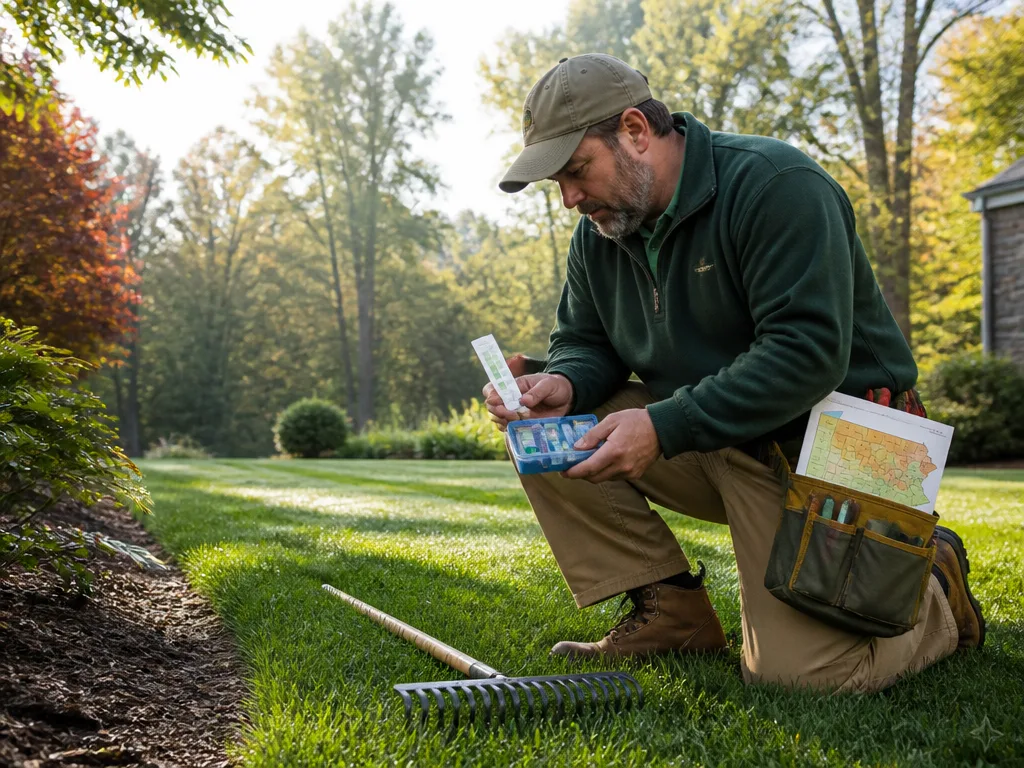
A typical assessment includes soil sampling, an inspection of grading and drainage, and guidance on the right mowing height and fertilizer timing for your region. Our crews in Pennsylvania work with you to build a practical plan that fits your yard and the season.