Spotting trouble early
Across Pennsylvania, a healthy lawn is a sign of good soil, proper mowing, and steady moisture. When you start noticing pale patches, uneven color, or a shift from vibrant green to dull tones, it’s your lawn care specialist at Pennsylvania Tree Service helping you read the signs. These changes don’t just look off; they can slow growth and invite more problems if left untreated.
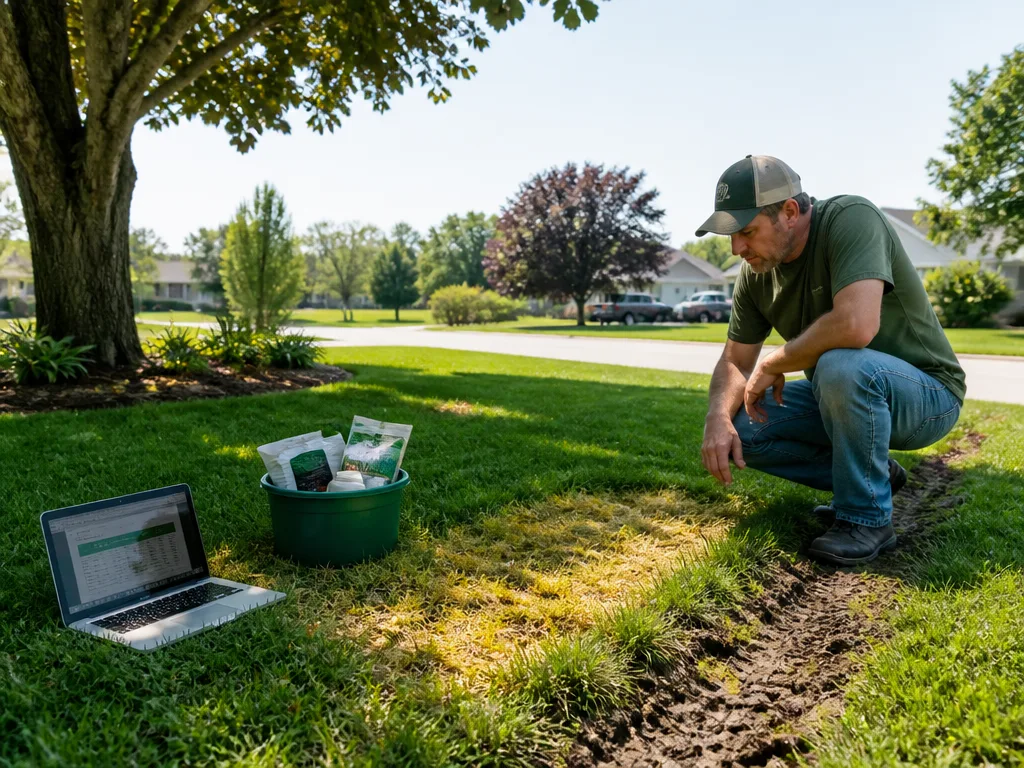
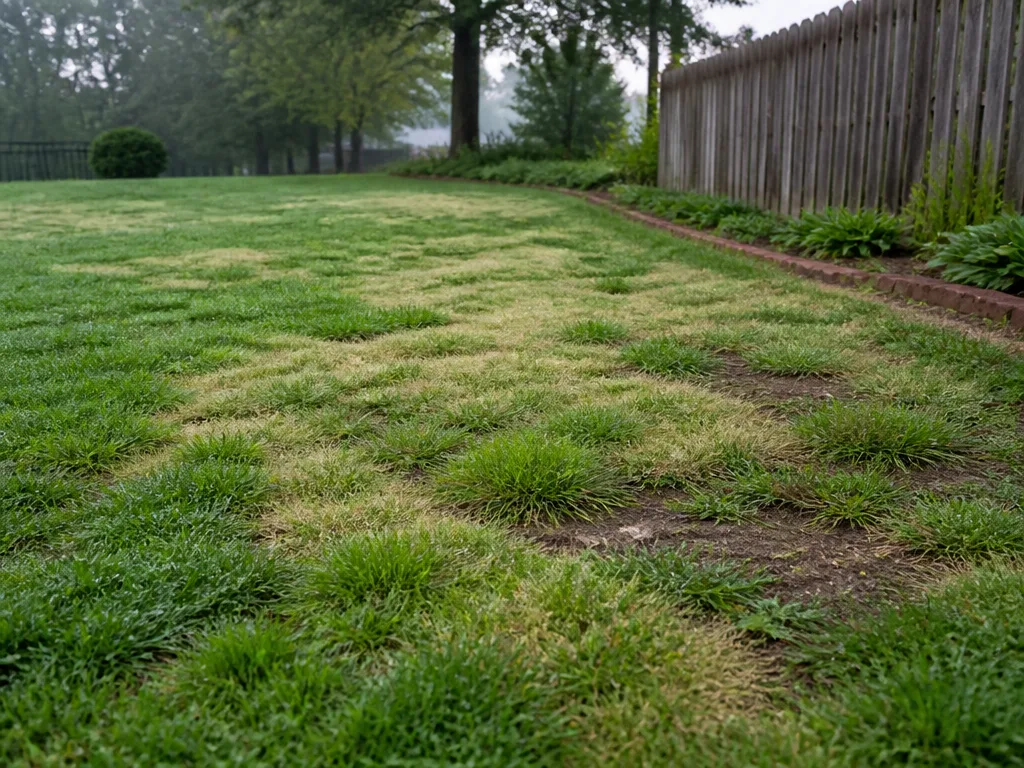
Common indicators include irregular discolored patches, thinning where grass blades become sparse, and a tendency for one area to grow faster than another. Often these symptoms come from compacted soil, seasonal stress, or nutrient imbalances that prevent roots from taking up what they need.
What to look for in the yard
Keep an eye on color bands across the turf. A uniform color is a good sign; if you see bands of yellow or gray that don’t match the rest of the lawn, that’s a signal to investigate. Edges along driveways or sidewalks can also show heat stress or moisture differences that affect Pennsylvania lawns differently than shaded areas.
Listen for your mower’s patterns too. If you notice taller leaves in some areas and short, stunted growth in others, that can point to uneven nutrient availability or compacted soil. Our crews in Pennsylvania see this a lot in high-traffic zones like side paths and play areas.
Next practical steps
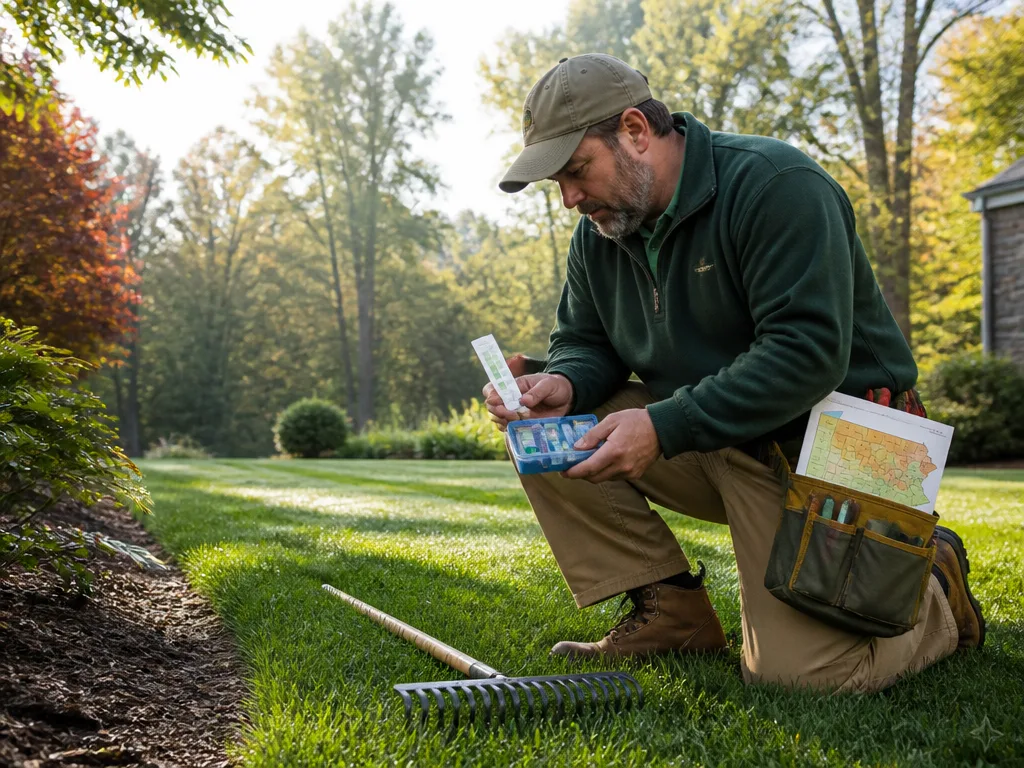
Start with a soil check and a simple observation log. A lawn care specialist can walk you through a plan that matches your soil type, sun exposure, and water needs. In Pennsylvania, soil types range from sandy to clay-heavy; the remedy is rarely one-size-fits-all.
To avoid guessing, our team at Pennsylvania Tree Service often recommends light, regular cultivation of the top inch of soil, targeted overseeding to fill thin areas, and a balanced feeding schedule aligned with the season. These steps address the root causes of color loss and patchiness across the Commonwealth.
- Document color changes and patch size with photos over a two-week window.
- Check moisture before watering to avoid overwatering in hot months.
- Schedule a soil test to guide nutrient needs without over-fertilizing.
Why a pro can help
Pennsylvania crews bring a statewide perspective. They assess sun, soil, and mowing patterns across your property and tailor a plan for your yard. If you see persistent dead spots, unusual thinning, or a trend of color loss after winter or heat waves, a lawn care specialist can diagnose and adjust the plan quickly.